

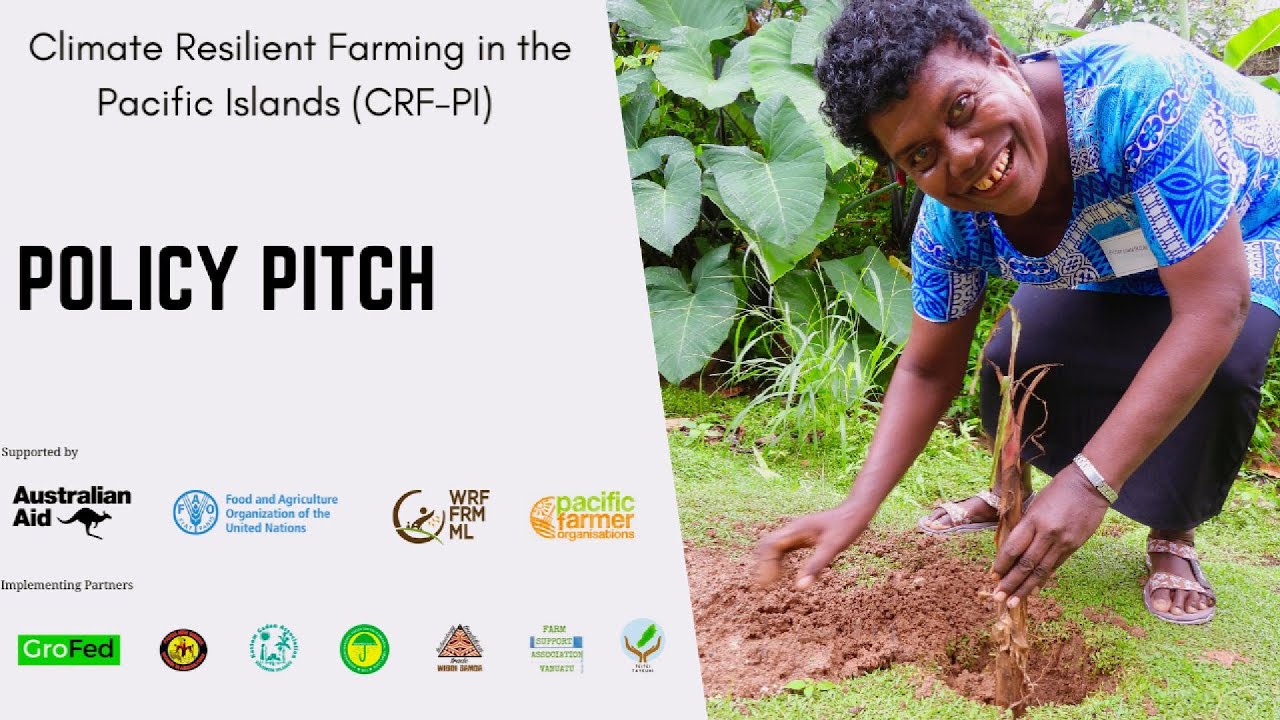
Innovative Projects Enhancing Life in the Pacific Islands
The Pacific Islands, dotted across the vast expanse of the ocean, are unique in their geography, culture, and challenges. Development projects in these areas focus not only on economic growth but also on sustainability, preservation of culture, and resilience against climate change. A wealth of initiatives is underway, and if you are interested in discovering how these islands are harnessing their resources and communities for a brighter future, pacific island projects click here to learn more.

The Importance of Sustainable Development
Sustainability in the Pacific Islands takes various forms, addressing both environmental and social dimensions. As some of the most vulnerable regions to climate change, Pacific Island nations are at the forefront of developing eco-friendly projects that minimize environmental impact. For instance, several communities are adopting renewable energy solutions, thus reducing reliance on fossil fuels while promoting energy independence.
One notable example is the widespread implementation of solar energy initiatives. Several Pacific nations have been leading the charge in solar adoption, utilizing their abundant sunlight to power homes and communities. These solar projects not only decrease electricity costs for residents but also create jobs and enhance local economies.
Community-Led Conservation Initiatives
Conservation is another essential aspect of the projects in the Pacific Islands. Many local communities have taken the initiative to safeguard their natural resources by implementing sustainable fishing practices and establishing marine protected areas. These projects not only help to preserve biodiversity but also ensure that fishing remains viable for future generations.

For instance, in Fiji, local organizations work hand in hand with communities to establish practices that prevent overfishing and protect coral reefs. Such initiatives are crucial, as coral reefs are vital ecosystems that support a wide range of marine life and provide significant economic benefits through tourism and fisheries.
Tourism Development and Cultural Preservation
Tourism is a double-edged sword in the Pacific Islands, offering both opportunities and challenges. Efforts are being made to promote sustainable tourism that respects local cultures and environments. Projects focusing on ecotourism and cultural tourism allow visitors to experience the islands’ rich heritage while benefiting local communities.
In places like Vanuatu, projects encourage community engagement in tourism, allowing locals to share their stories, crafts, and traditions with visitors. This approach not only generates income but also fosters pride within the community, as they take the lead in preserving and promoting their culture.
Education and Capacity Building
Education is a cornerstone of development projects in the Pacific Islands. Recognizing the importance of investing in human capital, various initiatives are geared towards enhancing educational opportunities, particularly in remote areas. Mobile learning programs, vocational training, and scholarships are some of the ways in which organizations are working to empower youth and enable them to thrive in a globalized world.
For example, in Samoa, projects aimed at improving access to education have seen significant advancements. Schools are increasingly equipped with technology, providing students with essential skills needed for the modern job market. This emphasis on education not only benefits individuals but also helps lift entire communities.
Resilience to Climate Change
Many Pacific Island nations are among the first to face the brunt of climate change, making resilience projects top priorities. Initiatives include constructing climate-resilient infrastructure, restoring mangroves, and developing disaster preparedness plans. These projects not only aim to protect communities from natural disasters but also seek to revitalize and restore ecosystems that serve as natural barriers against climate impacts.
In Tonga, for instance, local governments are working on strengthening coastal defenses against rising sea levels and severe weather patterns. Such proactive measures are critical in ensuring the long-term survival of these islands and their populations.
Collaboration and International Support
The success of these projects often hinges on collaboration—both locally and internationally. Many Pacific Island nations are part of broader regional networks that facilitate knowledge sharing and cooperative development efforts. International organizations and NGOs play a vital role in providing funding, expertise, and technical assistance for various initiatives.
Funding modalities often come in various forms, including grants and loans aimed at specific development goals. These partnerships have proven invaluable in addressing multifaceted challenges, allowing for comprehensive solutions that truly address the unique needs of each island community.
Conclusion
The projects in the Pacific Islands embody a spirit of resilience, innovation, and collaboration. From renewable energy initiatives to cultural preservation efforts, these diverse initiatives are shaping a brighter future for these unique regions. As the world watches and learns from these examples, the hope is to inspire similar efforts globally, contributing to a more sustainable and culturally sensitive approach to development.
Ultimately, the story of the Pacific Islands is one of adaptation and perseverance in the face of adversity. The ongoing projects here serve as a testament to human creativity and the power of community, showcasing what can be achieved when people come together to protect and promote their way of life.